

India is home to thousands of temples, each with its own story, traditions, architecture, and spiritual importance. Among them, Ganesh temples hold a special place in the hearts of millions of devotees. Lord Ganesha, known as the remover of obstacles and the god of wisdom, learning, prosperity, and new beginnings, is traditionally worshipped before important occasions and ceremonies.
From grand temples in busy cities to peaceful shrines surrounded by nature, Ganesh temples attract devotees throughout the year. Some are famous for their history, some for unique idols, and others for festivals that bring entire communities together.
For travelers, visiting a Ganesh temple can also be a meaningful way to experience Indian culture and understand the traditions that have been passed down through generations.
Why Lord Ganesha Is Worshipped
Lord Ganesha is one of the most easily recognized Hindu deities. He is traditionally shown with an elephant head, a human body, large ears, and a distinctive curved trunk.
Different features of his appearance carry symbolic meanings. His large ears are often associated with listening carefully, while his elephant head represents wisdom and understanding. His trunk is commonly interpreted as a symbol of strength and adaptability.
Ganesha is also closely connected with new beginnings. Many people offer prayers to him before starting a new business, moving into a new home, beginning an important journey, or celebrating a wedding.
This connection with fresh starts is one reason Ganesh temples remain important in everyday life as well as during major religious celebrations.
Siddhivinayak Temple, Mumbai
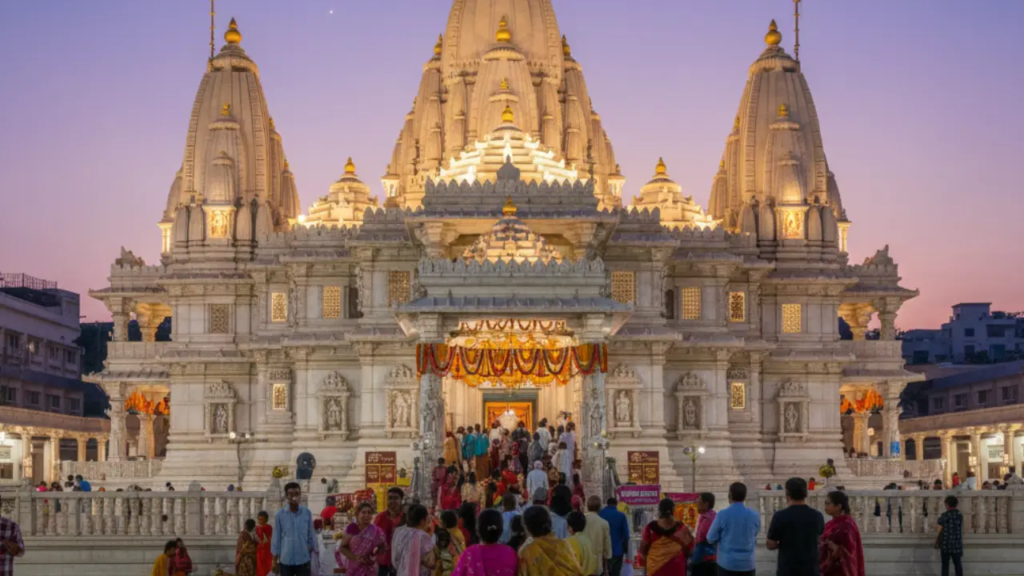
One of India’s best-known Ganesh temples is the Siddhivinayak Temple in Mumbai. Located in Prabhadevi, the temple attracts devotees from across the country and has become an important religious landmark in the city.
The temple is dedicated to Shri Siddhivinayak, a form of Lord Ganesha. The shrine is particularly well known for its distinctive idol and its strong connection with devotees seeking blessings for important personal and professional goals.
The temple becomes especially busy during Ganesh Chaturthi, when Mumbai celebrates the festival with extraordinary enthusiasm.
Despite being located in one of India’s busiest cities, the temple remains a place where people come to pause, pray, and seek spiritual strength.
Dagdusheth Halwai Ganpati Temple, Pune
The Dagdusheth Halwai Ganpati Temple is another famous Ganesh shrine, located in Pune, Maharashtra. It is known for its beautifully decorated idol and its strong connection with the city’s cultural and religious life.
The temple has a long history and became particularly prominent during the period when public Ganesh celebrations developed in Maharashtra.
During Ganesh Chaturthi, the surrounding area becomes filled with celebrations, devotional music, decorations, and large gatherings of visitors.
One of the most striking aspects of the temple is the way devotion and community life come together. The annual celebrations attract people from different backgrounds and make the temple an important part of Pune’s cultural identity.
Moti Dungri Ganesh Temple, Jaipur
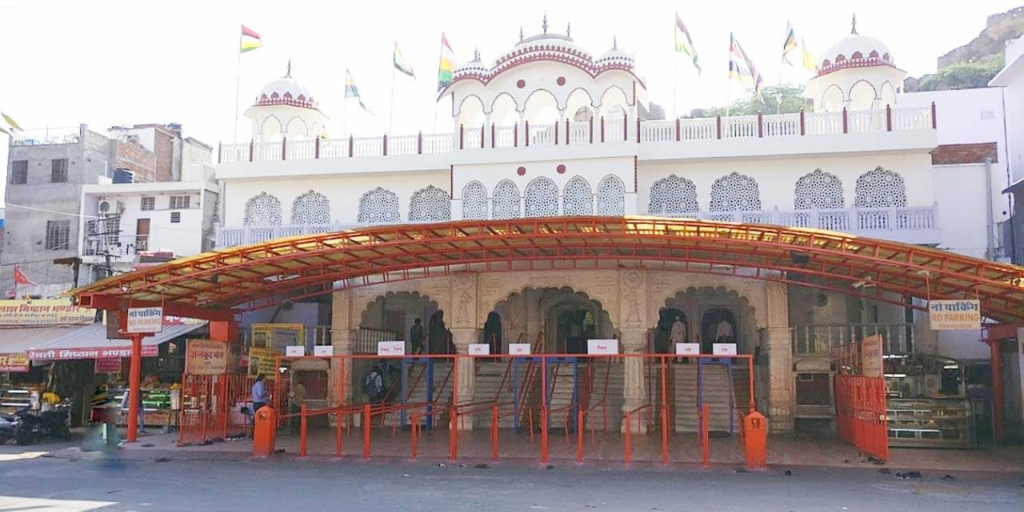
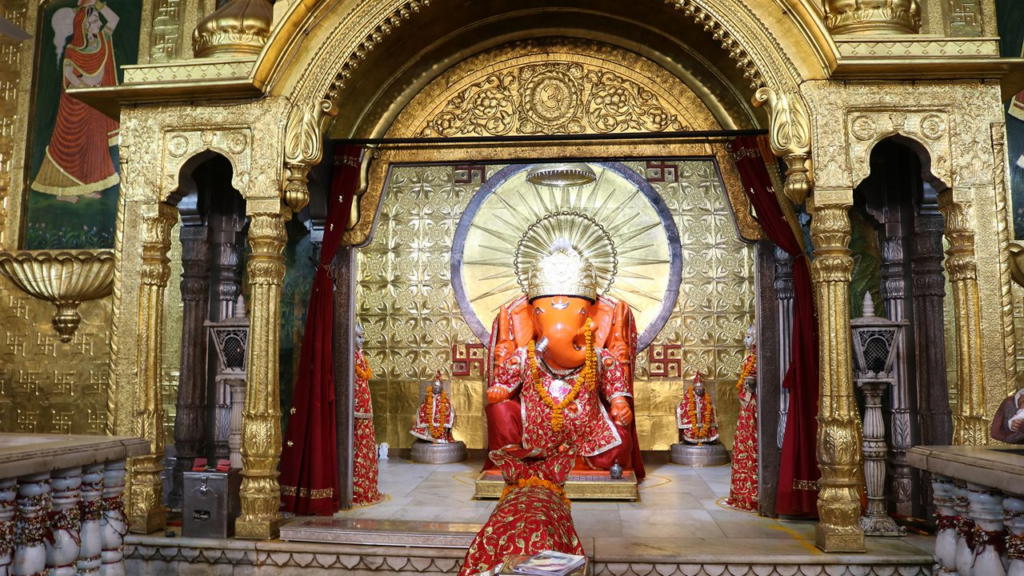
Rajasthan is also home to an important Ganesh shrine, the Moti Dungri Ganesh Temple in Jaipur.
The temple sits near the Moti Dungri hill and is regarded as one of Jaipur’s significant religious destinations. Devotees visit the shrine throughout the year, particularly before important events and ceremonies.
One interesting tradition associated with the temple is the belief that Lord Ganesha should be worshipped before beginning something new. As a result, people often visit the temple before weddings, examinations, business ventures, and other important milestones.
Its location also makes it a convenient religious stop for visitors exploring Jaipur.
Ashtavinayak Temples of Maharashtra
Maharashtra is particularly important for Ganesh devotees because of the Ashtavinayak pilgrimage.
Ashtavinayak refers to eight traditionally revered Ganesha temples located in different parts of Maharashtra. Each shrine has its own history, form of Ganesha, legends, and local traditions.
The eight temples are associated with:
- Mayureshwar at Morgaon
- Siddhivinayak at Siddhatek
- Ballaleshwar at Pali
- Varadvinayak at Mahad
- Chintamani at Theur
- Girijatmaj at Lenyadri
- Vighneshwar at Ozar
- Mahaganapati at Ranjangaon
For many devotees, visiting these eight temples is more than a simple sightseeing trip. It is a spiritual journey that involves traveling through different parts of Maharashtra while learning about the stories and traditions connected with each shrine.
The pilgrimage is popular throughout the year, although temple visits can become especially busy during Ganesh-related festivals.
Mahaganapati Temple, Ranjangaon

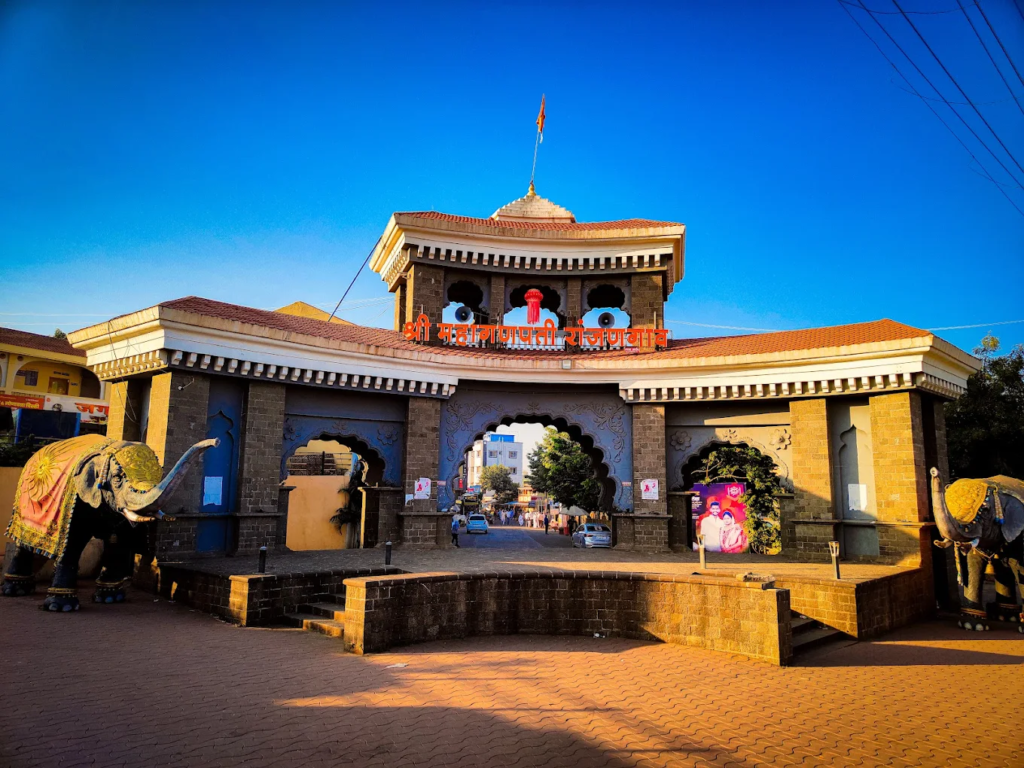
The Mahaganapati Temple at Ranjangaon is one of the Ashtavinayak temples and is located in Pune district.
The temple is associated with a traditional story involving Lord Ganesha and the demon king Tripurasura. According to the legend, Ganesha helped restore peace by defeating the powerful demon.
Like other Ashtavinayak temples, the shrine has its own religious significance and attracts devotees who follow the traditional pilgrimage route.
The peaceful surroundings and historical character of the temple make it an interesting destination for both pilgrims and travelers interested in Maharashtra’s religious heritage.
Chintamani Temple, Theur
The Chintamani Temple at Theur is another important Ashtavinayak shrine.
The name Chintamani is associated with the idea of removing worries and bringing peace of mind. Devotees visit the temple seeking blessings during difficult periods and before important decisions.
The temple’s importance extends beyond its religious role. It is also part of the cultural history of the Pune region and remains an important destination for people following the Ashtavinayak pilgrimage.
Ganesh Chaturthi and Temple Traditions
Ganesh Chaturthi is one of the most important celebrations associated with Lord Ganesha.
The festival traditionally marks the arrival of Ganesha idols into homes and public spaces. Families and communities perform prayers and devotional ceremonies before eventually concluding the celebration with immersion rituals.
Maharashtra is particularly famous for its large-scale Ganesh Chaturthi celebrations. Mumbai and Pune become especially vibrant during the festival, with beautifully decorated public pandals, cultural performances, processions, and community gatherings.
Temples also experience increased numbers of visitors during this period.
For travelers, Ganesh Chaturthi offers a chance to see how religion, art, music, community participation, and local traditions come together. However, large celebrations can also mean heavy crowds, so visitors should plan transportation and temple visits carefully.

Ganesh temples are not only places of worship. They are also connected with community life.
People visit these temples to celebrate important occasions, offer thanks, pray for loved ones, and seek blessings during challenging periods.
Many temples also support charitable activities and community programs. Their role can therefore extend beyond religious ceremonies.
The traditions surrounding Ganesha also appear in Indian art, music, literature, festivals, decorations, and everyday expressions of faith.
This makes Ganesh worship an important part of India’s broader cultural heritage.
Architecture and Artistic Traditions
Ganesh temples across India reflect the architectural styles of their regions.
A temple in Maharashtra may have a different appearance from one in Rajasthan, Tamil Nadu, Karnataka, or another part of the country. Local building materials, artistic traditions, historical periods, and regional customs all influence temple design.
Inside the temples, devotees may find beautifully decorated idols, carved pillars, lamps, paintings, bells, and other traditional elements.
Some temples are centuries old, while others have been rebuilt or expanded over time.
For visitors interested in architecture, these differences provide another reason to explore India’s temple heritage.
Tips for Visiting a Ganesh Temple

Visitors should remember that temples are active places of worship rather than ordinary tourist attractions.
Dress respectfully and follow the temple’s rules. Some temples may have specific instructions regarding footwear, photography, queues, or offerings.
During major festivals, expect large crowds and longer waiting times. Visiting early in the day can sometimes make the experience more comfortable.
If you are traveling specifically for a pilgrimage, check temple timings and local arrangements before leaving. Rules and opening schedules can change, particularly during festivals or special religious events.
Most importantly, be respectful toward devotees who are there for personal prayer and religious reasons.
Why These Temples Are Worth Visiting
India’s famous Ganesh temples offer more than beautiful buildings and religious ceremonies. They provide a window into the country’s living traditions.
A visit can introduce travelers to local customs, stories, architecture, food, festivals, music, and community life. Even for people who are visiting from a cultural or historical perspective, the atmosphere of these temples can be memorable.
Each shrine has something different to offer. One may be known for its history, another for its architecture, and another for a festival that attracts thousands of people.
Together, they show how deeply Lord Ganesha is connected with Indian culture.
FAQs
1. Which is the most famous Ganesh temple in India?
Siddhivinayak Temple in Mumbai is one of the most famous and widely visited Ganesh temples in India.
2. What is the Ashtavinayak pilgrimage?
Ashtavinayak is a traditional pilgrimage covering eight important Lord Ganesha temples across Maharashtra.
3. When is Ganesh Chaturthi celebrated?
Ganesh Chaturthi is celebrated annually to honor the birth of Lord Ganesha, with dates changing according to the Hindu lunar calendar.
4. Why do people visit Ganesh temples?
Devotees visit Ganesh temples to pray for wisdom, prosperity, success, and the removal of obstacles.
5. Can tourists visit Ganesh temples?
Yes. Visitors can generally visit Ganesh temples, but they should follow temple rules, dress respectfully, and be considerate of devotees.

Travel Deals 2026: Best Flight, Hotel & Holiday Offers
Planning a holiday does not always mean spending a large amount of money. With the…
Best Travel Deals 2026: Save on Flights, Hotels & Holidays
Finding genuine value when planning a trip is less about hunting down fleeting internet sales…

Travel Deals Guide 2026: Affordable Trips, Flights & Hotels
Traveling does not always have to be expensive. With a little planning and some smart…

Best Travel Deals 2026: Affordable Flights, Hotels & Vacations
Traveling remains one of the most fulfilling ways to disconnect from daily routines, explore new…
Maa Vaishno Devi Yatra 2026: Best Travel Deals & Complete Guide
A visit to Maa Vaishno Devi is a special journey for millions of devotees. Located…

Best Kitchen & Dining Products 2026: Affordable Deals & Tips
The kitchen functions as the operational core of any home. It is the space where…