

A visit to the Mahakaleshwar Temple in Ujjain offers far more than a typical sightseeing itinerary. Set along the banks of the sacred Shipra River in Madhya Pradesh, Ujjain is one of India’s oldest continuously inhabited cities. At its center stands Mahakaleshwar, one of the twelve sacred Jyotirlingas dedicated to Lord Shiva. Pilgrims and travelers travel here throughout the year to experience its rich spiritual traditions, historic architecture, and unique temple rituals.
Navigating a trip to a major pilgrimage destination can present logistical challenges. From managing early-morning temple schedules to choosing suitable accommodations and organizing local travel, proper preparation makes all the difference. This guide outlines everything you need to know for a smooth, meaningful, and well-organized visit to Mahakaleshwar.
The Significance of Mahakaleshwar
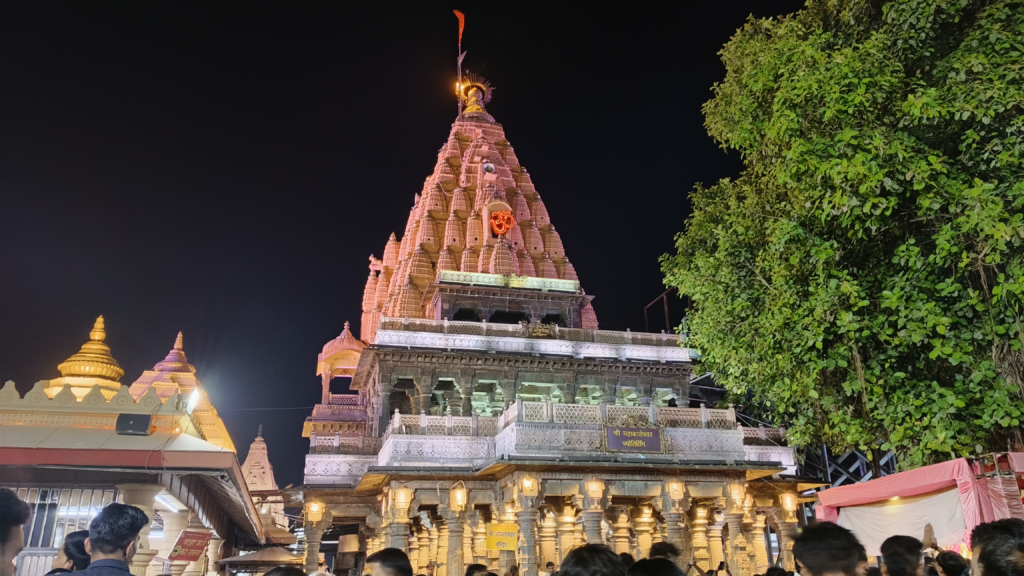
Mahakaleshwar is unique among the twelve Jyotirlingas because the deity is Dakshinamurti, meaning the idol faces south—a direction traditionally associated with time, death, and dissolution in Hindu iconography. The name “Mahakal” itself refers to Lord Shiva as the master of time and eternity.
                           [ Mahakaleshwar Complex ]
                                       │
       ┌───────────────────────┬───────┴───────┬───────────────────────┐
       │                       │               │                       │
       ▼                       ▼               ▼                       ▼
[ Main Sanctum ]       [ Mahakal Lok ]     [ Bhasma Aarti ]     [ Surrounding Shrines ]
  - Garbhagriha          - Open Corridor     - Early Morning      - Harsiddhi
  - Dakshinamurti        - Sculptures        - Sacred Rituals     - Kal Bhairav
The city of Ujjain itself holds a distinguished place in Indian history. Historically known as Avantika, it was a major center for astronomy, mathematics, and trade in ancient India. Visiting the temple allows travelers to experience both its deep religious heritage and its rich historical legacy.
Navigating Darshan and Temple Timings


Understanding the daily routine at Mahakaleshwar helps you structure your day efficiently and avoid unnecessary wait times.
                        DAILY TEMPLE SCHEDULE OVERVIEW

  03:30 AM - 06:00 AM     06:00 AM - 12:00 PM     12:00 PM - 04:00 PM     04:00 PM - 11:00 PM
  -------------------     -------------------     -------------------     -------------------
  Bhasma Aarti           Morning Darshan         Mid-Day Rituals         Evening Aarti &
  (Advance Booking)      & General Queue         & Cleaning              Mahakal Lok Walk
The temple doors open very early in the morning and remain active until late at night. However, entry rules, line management, and queue lengths shift throughout the day.
Bhasma Aarti
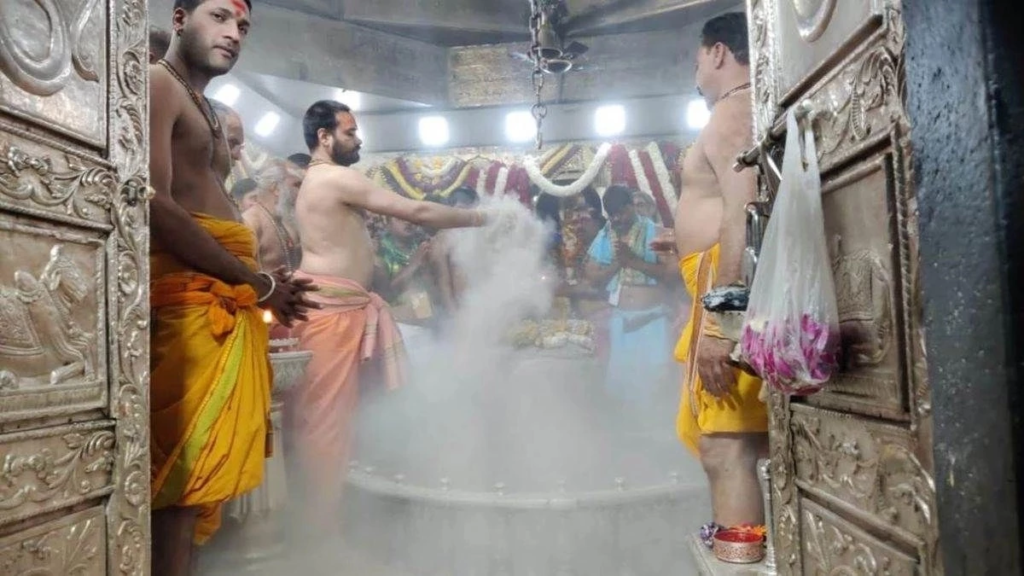
Bhasma Aarti is the most famous ritual at Mahakaleshwar. Occurring every morning between 3:30 AM and 6:00 AM, it involves offering sacred ash to the deity accompanied by rhythmic chanting and traditional instruments.
- Booking: Access to the inner hall during Bhasma Aarti is strictly regulated. You must secure a permit in advance through the temple administration’s official online portal or at designated on-site counters.
- Timing: Visitors attending the ritual must gather at the entry gates well before midnight for security checks and seating procedures.
General Darshan
Outside of Bhasma Aarti hours, general queue lines remain open through most of the day. Free general entry lines are available, as well as special paid fast-track passes offered by the temple trust to reduce waiting time during busy periods.
Seasonal Guide: When to Plan Your Visit
The climate in Ujjain varies significantly throughout the year, impacting crowds and overall comfort.
| Season | Months | Average Temperature | Travel Considerations |
|---|---|---|---|
| Winter | October to March | 10°C to 25°C | Best time for sightseeing; pleasant weather for waiting in queues. Warm clothing needed for early mornings. |
| Summer | April to June | 30°C to 42°C | Very hot; long outdoor queues can be physically taxing. Hydration and sun protection are essential. |
| Monsoon | July to September | 24°C to 32°C | Moderate rain; river levels rise. High footfall during the holy month of Shravan. |
[ Winter: Ideal Walking Conditions ] ──► Best overall time to explore temple grounds
[ Summer: Extreme Daytime Heat ]     ──► Schedule temple visits early morning or late evening
[ Monsoon: Shravan Festival Peak ]   ──► Expect large crowds and extended waiting times
How to Reach Ujjain

Ujjain is well-connected to major transit hubs across central India.
  [ Rail ]  ──► Ujjain Junction (MTJ/UJN) ──► Direct trains from major metro hubs
  [ Air ]   ──► Devi Ahilyabai Holkar Airport, Indore (IDR) ──► 55 km road transfer to Ujjain
  [ Road ]  ──► State Highways & Expressways ──► Frequent bus services from Indore & Bhopal
- By Train: Ujjain Junction (Station Code: UJN) is a key railway node connected directly to cities like Mumbai, Delhi, Kolkata, Bangalore, and Ahmedabad. The station is located less than three kilometers from the main temple complex.
- By Air: The nearest airport is Devi Ahilyabai Holkar Airport in Indore, located roughly 55 kilometers away. Taxis and direct bus services run continuously between the airport and Ujjain, with road travel taking about 60 to 90 minutes.
- By Road: Ujjain connects smoothly via four-lane highways to Indore, Bhopal, and Ratlam. Regular state-run and private interstate buses operate throughout the day.
Exploring Mahakal Lok and Nearby Attractions
While Mahakaleshwar is the primary focus for most travelers, Ujjain features several significant historical and religious sites nearby.
       [ Mahakaleshwar Temple ] ──► [ Mahakal Lok Corridor ] ──► [ Harsiddhi Temple ]
                                                │
                                                ▼
                             [ Ram Ghat & Shipra River Aarti ]
                                                │
                                                ▼
                                    [ Kal Bhairav Temple ]
Mahakal Lok
Opened as a major redevelopment initiative, Mahakal Lok is a nearly 900-meter-long cultural corridor adjacent to the main temple. It features over 100 detailed murals, statues, and fountains depicting stories from classical Indian literature. The corridor is fully illuminated in the evening, making it a peaceful place for a walk after nightfall.
Kal Bhairav Temple

Located roughly five kilometers from the main complex, this ancient temple is dedicated to Kal Bhairav, the guardian deity of the city. A unique local tradition involves offering liquor to the deity as part of the formal ritual worship.
Harsiddhi Temple
Situated within walking distance of Mahakaleshwar, Harsiddhi Temple is considered one of the historic Shakti Peethas. The complex features two tall iron lamp towers (Deepstambhas) that are illuminated with hundreds of oil lamps during evening prayers.
Ram Ghat
Located along the banks of the Shipra River, Ram Ghat is one of the oldest riverfronts in the city. It serves as a central site during the historic Kumbh Mela (Simhastha). Watching the evening river aarti here offers a reflective, tranquil experience away from the main temple lines.
Logistics, Clothing, and Entry Rules
To maintain security and reverence, the temple trust enforces strict protocols regarding dress codes, personal items, and queue entry.
                                 VISITOR CHECKLIST
                                         │
       ┌─────────────────────────────────┼─────────────────────────────────┐
       │                                 │                                 │
       ▼                                 ▼                                 ▼
[ Dress Code ]                   [ Luggage Limits ]               [ Required ID ]
  - Traditional attire required    - No large bags in queue         - Original photo ID
  - Dhotis for inner sanctum       - Use official locker counters   - Required for Bhasma Aarti
Dress Code Expectations

- General Darshan: Modest, comfortable clothing is recommended. Avoid shorts or sleeveless tops when entering religious spaces.
- Inner Sanctum (Garbhagriha): If entry into the inner sanctum is permitted during your visit, strict traditional dress codes apply. Men are required to wear a traditional dhoti and sola, while women must wear a traditional saree or suit.
Permitted Belongings
Security at the temple gates is rigorous. Large backpacks, leather items (like belts and wallets), and electronic devices are prohibited inside the main queue lines.
- Lockers: Use the free or nominal-charge cloakrooms (Amanati Griha) operated by the temple management near the main entry gates to store phones, shoes, and bags securely.
- Identification: Always carry a valid physical photo ID card (such as an Aadhar card, passport, or driver’s license), especially if you hold advance online bookings for Bhasma Aarti or VIP queue passes.
Where to Stay and Local Dining
Ujjain offers a wide range of accommodation options suited to different budgets.
- Accommodations: If attending the early-morning Bhasma Aarti, staying at a hotel or dharamshala within walking distance of the main gates is highly convenient. For a quieter stay, look for accommodations near the Nanakheda Bus Stand area, which offers modern hotels with easy transport connections.
- Local Cuisine: Food in Ujjain is entirely vegetarian around the temple precinct. Do not miss local specialties like Poha-Jalebi for breakfast, fresh Dal Bafla for lunch, and traditional milk-based sweets from long-standing local sweet shops.
Responsible Travel Guidelines
With millions of visitors arriving every year, preserving the cleanliness and heritage of Ujjain is a shared responsibility.
- Use Official Counters: Avoid unregistered middle-men or touts offering guaranteed quick entries outside temple grounds. Rely exclusively on official counters and verified online portals.
- Keep the River Clean: Respect the Shipra River by discarding flower garlands and ceremonial items only in designated collection bins rather than throwing them into the water.
- Plan for Rest: Navigating long queues and walking between sites can be physically tiring. Balance your itinerary with rest breaks, especially when traveling with children or elderly family members.
FAQs
1. What is Mahakal Darshan?
Mahakal Darshan is a visit to Mahakaleshwar Temple in Ujjain to offer prayers to Lord Shiva.
2. Where is Mahakaleshwar Temple located?
Mahakaleshwar Temple is located in Ujjain, Madhya Pradesh.
3. What is Bhasma Aarti?
Bhasma Aarti is an important early-morning ritual performed at Mahakaleshwar Temple.
4. Can I book Mahakal Darshan online?
Yes, devotees can check the official temple website for available online booking services and current rules.
5. What should I carry for Mahakal Darshan?
Carry essential belongings, valid identification when required, comfortable clothing, and follow the temple’s current entry guidelines.