

Vrindavan holds a special place in the cultural and spiritual landscape of India. Unlike standard vacation spots, this historical town in Uttar Pradesh draws travelers with its deep-seated Krishna traditions, centuries-old temples, devotional music, and vibrant street life. Located close to Mathura and roughly a three-hour drive from Delhi, it offers a distinct atmosphere where ancient heritage mixes with the rhythms of daily pilgrimage.
Whether you plan to spend a single afternoon or intend to stay for a week-long retreat, visiting Vrindavan requires a thoughtful approach. Understanding the local flow, temple schedules, seasonal weather, and navigation options will make your journey smooth and rewarding.
Why Visit Vrindavan?
At its core, Vrindavan is a town dedicated to the life, legends, and devotion of Lord Krishna. People visit not just to view historic architecture, but to immerse themselves in an environment where traditions remain actively practiced.
                            [ Vrindavan Experience ]
                                       │
       ┌───────────────────────┬───────┴───────┬───────────────────────┐
       │                       │               │                       │
       ▼                       ▼               ▼                       ▼
[ Ancient Temples ]    [ Evening Aarti ]   [ Narrow Lanes ]    [ Yamuna Ghats ]
  - Banke Bihari         - Prem Mandir       - Local Sweets      - Keshi Ghat
  - Radha Raman          - ISKCON            - Handicrafts       - Evening Boat Rides
From early morning prayers echoing through narrow alleys to evening oil-lamp ceremonies along the Yamuna River, the town offers a living cultural experience. It becomes particularly energetic during major festivals like Holi and Janmashtami, when thousands of visitors fill the streets to participate in regional celebrations.
Top Temples and Landmarks to Explore
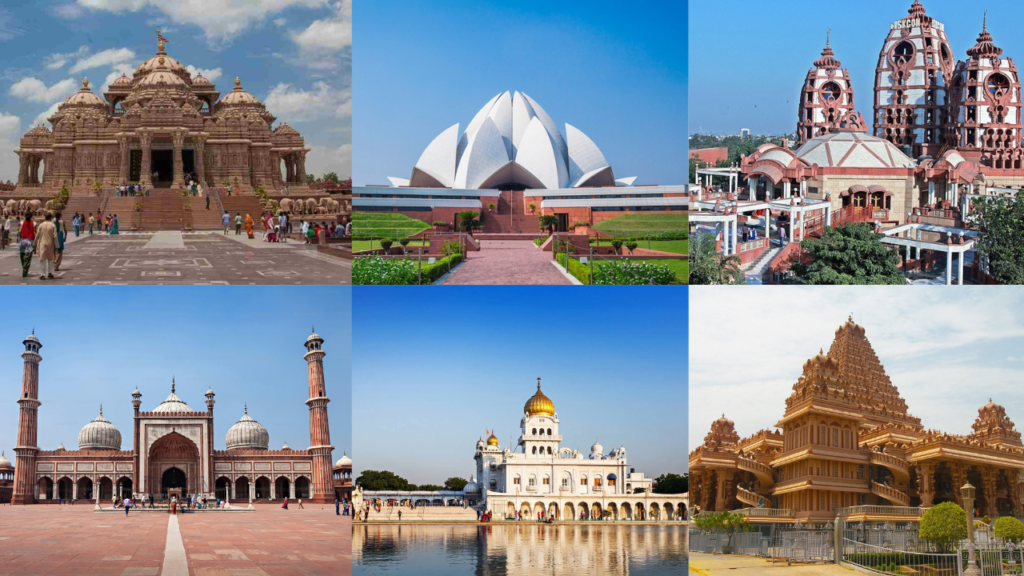
Vrindavan features hundreds of shrines, ranging from sprawling modern complexes to modest neighborhood altars tucked away in historic residential quarters. Pacing your visits is critical to avoiding fatigue.
                        DAILY TEMPLE ROUTE SUGGESTION

  Morning (Early)       Mid-Day (Rest Period)      Evening (Sunset/Night)
  -----------------     ---------------------      ----------------------
  Banke Bihari      ──► Local Lunch & Rest     ──► Prem Mandir Lighting
  Radha Raman           (Temples close 12-4 PM)    ISKCON Sandhya Aarti
Banke Bihari Temple
Banke Bihari is perhaps the most famous shrine in the region. The atmosphere here is intense, energetic, and deeply devotional. Because the central corridors can become extremely crowded, plan to visit during early morning hours, keep your personal belongings minimal, and follow the crowd control barriers set up by local authorities.
ISKCON Vrindavan (Sri Sri Krishna Balaram Mandir)
Known for its white marble courtyard, immaculate maintenance, and continuous devotional singing, the ISKCON complex provides a structured environment for visitors. It features an on-site vegetarian restaurant, a book gallery, and clear visitor guidance, making it an accessible starting point for first-time travelers.
Prem Mandir
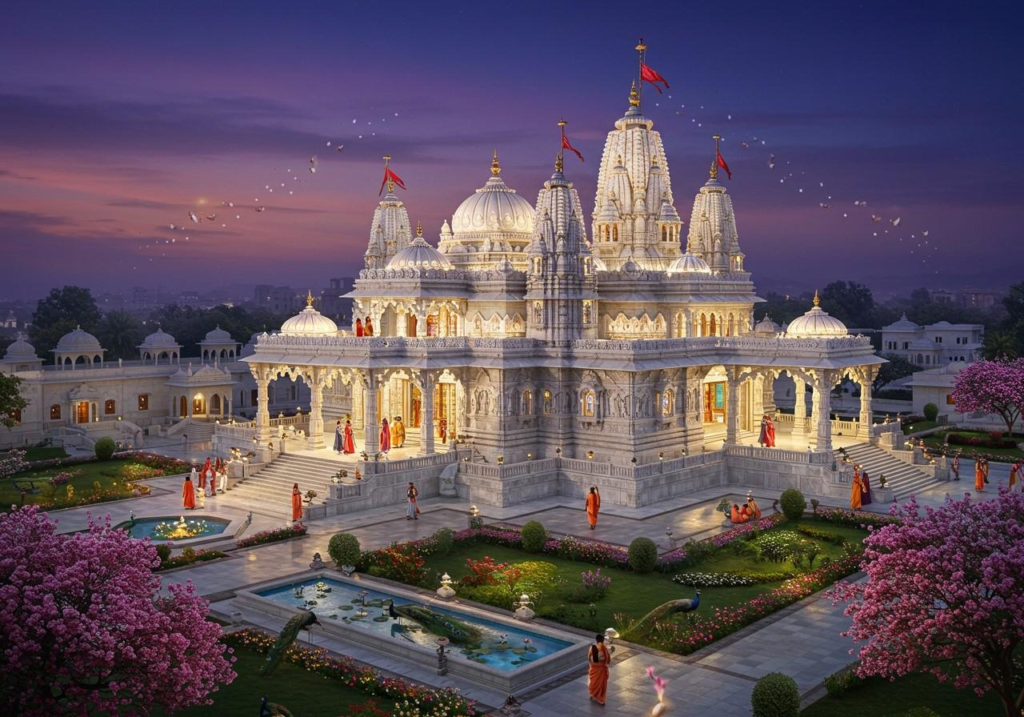
Spread across a massive complex, Prem Mandir stands out for its intricate white Italian marble carvings depicting scenes from ancient Indian scriptures. The site is best visited in the late afternoon so you can view the detailed architecture by daylight and stay to see the colorful exterior illumination that turns on after sunset.
Radha Raman Temple
For those interested in historical and spiritual heritage, Radha Raman Temple offers a serene atmosphere. Established in the sixteenth century, this shrine maintains traditional rituals and preserves an old-world charm away from the larger, modern commercial crowds.
Nidhivan
Nidhivan is a dense, sacred grove filled with unusual, intertwined trees. It is central to many local folklore tales regarding Krishna and Radha. Visitors are required to follow strict visiting hours and local guidelines, as the complex closes completely to the public before dusk.
Experiencing Life Beyond the Shrines
While major temples draw the largest crowds, much of Vrindavan’s character exists in its public spaces and riverfronts.
A slow walk through the old town quarters reveals small workshops where artisans craft deity dresses, brass lamps, and wooden handicrafts. Strolling down to Keshi Ghat along the Yamuna River offers a peaceful contrast to the bustling inner market lanes. Renting a small wooden boat during sunset provides a unique vantage point of the riverfront steps and historic buildings lining the shore.
Essential Travel Planning Overview
| Category | Details & Recommendations | Practical Tips |
|---|---|---|
| Best Season | October to March (Cool, pleasant weather) | Carry warm layers for chilly winter mornings and evenings. |
| Ideal Duration | 2 to 3 Days (Includes nearby Mathura) | Allows time for temple visits, local dining, and river ghats without rushing. |
| Nearest Railway | Mathura Junction (MTJ) – 14 km away | Well-connected to major Indian cities; e-rickshaws available outside station. |
| Nearest Airport | Indira Gandhi International Airport, Delhi (DEL) | Rent a direct taxi via the Yamuna Expressway (approx. 3-hour drive). |
| Getting Around | E-Rickshaws, Auto-Rickshaws, and Walking | Cars struggle in narrow lanes; park private vehicles in designated outer lots. |
When to Visit and Seasonal Climate
The choice of when to plan your trip depends heavily on your tolerance for crowds and weather conditions.
- Winter (October to March): This is the most comfortable period for sightseeing. Clear skies and cool temperatures make walking between temples pleasant. However, expect higher hotel rates and larger weekend crowds.
- Summer (April to June): Temperatures often exceed 40 degrees Celsius. If traveling during these months, restrict outdoor visits to early mornings and late evenings, staying indoors during the hot afternoon hours.
- Monsoon (July to September): The rain brings lush greenery to the region’s gardens and groves, and crowds are manageable. Be prepared for humid conditions and occasional waterlogging in older street lanes.
Local Food and Culinary Culture
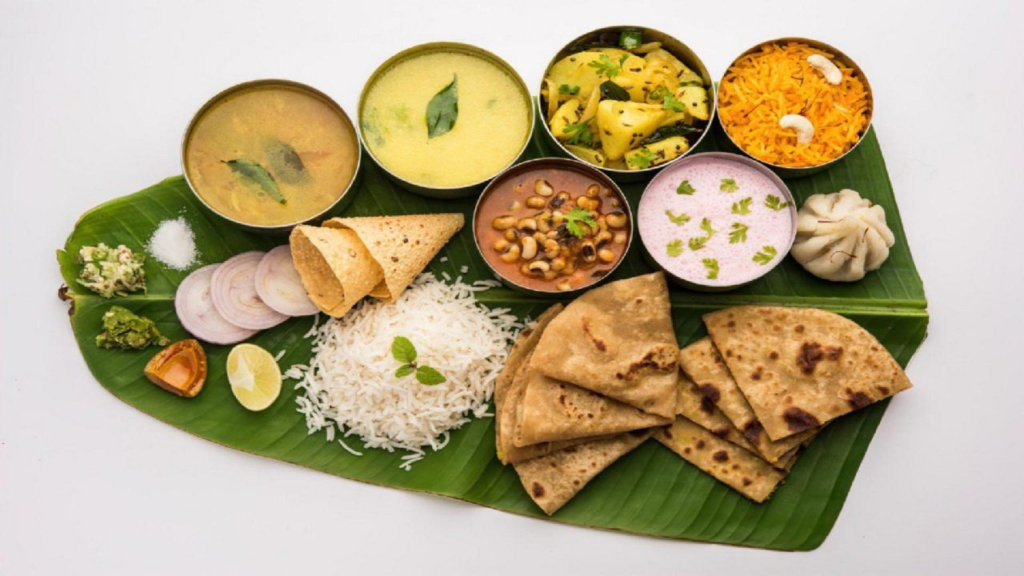
Food in Vrindavan is strictly vegetarian, with many eateries avoiding onions and garlic entirely in keeping with local temple traditions. The town is famous for its dairy products, street snacks, and traditional sweets.
Be sure to sample fresh kachoris served with spiced potato curry in the morning, followed by a kulhad of thick, churned lassi. In the evening, sweet shops sell hot jalebis, rabri, and classic peda—a condensed milk sweet prepared using recipes passed down through generations. Always choose busy stalls with high customer turnover to ensure freshness.
Respectful Dress Code and Cultural Etiquette
Vrindavan remains a conservative religious center. Dressing modestly shows respect for local customs and helps you move comfortably through temple premises.
- Footwear: You will need to remove your shoes before entering any temple complex. Wearing simple slip-on sandals makes this process efficient. Use designated shoe-keeping counters near temple entrances rather than leaving shoes unattended.
- Photography: Photography is strictly prohibited inside the main sanctums of most older temples. Pay attention to signage and avoid pulling out phones where restricted.
- Wildlife Caution: The older quarters of Vrindavan are home to a large population of wild rhesus monkeys. Avoid carrying loose food items, wearing expensive sunglasses on top of your head, or holding phone devices loosely while walking through narrow lanes.
Combining Vrindavan with Mathura
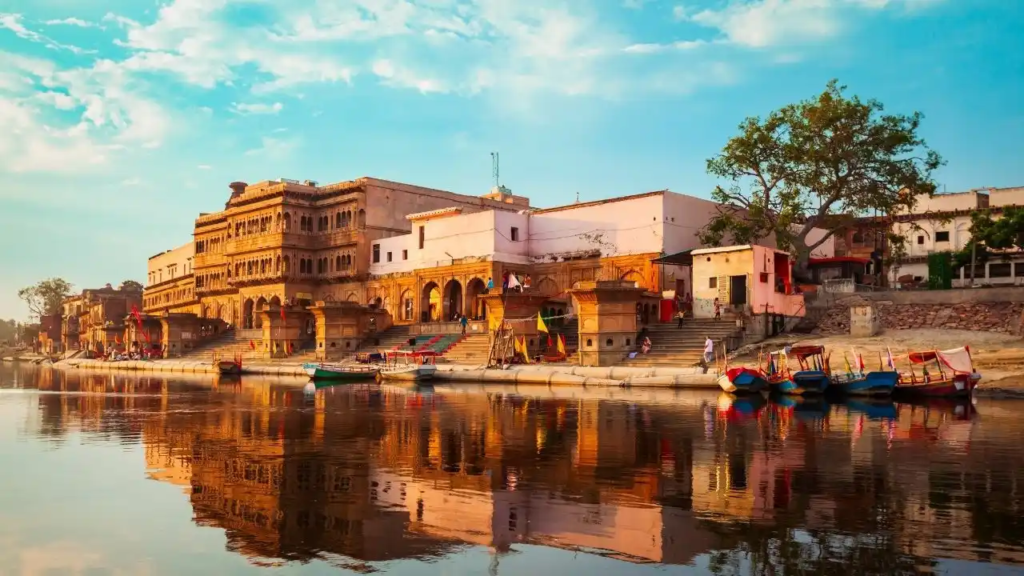
Because Mathura is situated just 14 kilometers away, most travel itineraries combine both towns into a single trip.
While Vrindavan focuses on the gardens, groves, and youthful legends of Krishna, Mathura represents his historical birthplace. Key sites in Mathura include the Shri Krishna Janmabhoomi complex, Vishram Ghat along the Yamuna, and the historic Dwarkadhish Temple. Allocating one day to Mathura and two days to Vrindavan provides a well-rounded understanding of the region’s cultural landscape.
Responsible Travel Practices
With millions of pilgrims visiting every year, local infrastructure experiences considerable strain. Visitors can help protect the destination by making conscious travel choices:
- Reduce Plastic Waste: Carry a refillable water bottle instead of buying single-use plastic bottles throughout the day.
- Dispose of Trash Properly: Use public waste bins for food wrappers and flowers rather than discarding them in streets or near river steps.
- Support Local Artisans: Buy souvenirs, brass items, and sweets directly from small, family-run shops in the old markets rather than commercial chain outlets.
- Be Patient with Crowds: Temple lines move slowly during peak hours. Maintain a calm demeanor and follow instructions from security personnel and local volunteers.
Planning your itinerary around temple opening times, dressing comfortably for extended walking, and keeping a flexible attitude will allow you to navigate Vrindavan with ease and enjoy its distinct historic character.
FAQs
1. What is Vrindavan famous for?
Vrindavan is famous for its temples, Krishna traditions, spiritual atmosphere, and cultural heritage.
2. How many days are enough for Vrindavan?
Two to three days are generally enough to explore the major temples and nearby attractions comfortably.
3. What are the best places to visit in Vrindavan?
Popular places include Banke Bihari Temple, Prem Mandir, ISKCON Vrindavan, Radha Raman Temple, and Nidhivan.
4. What is the best time to visit Vrindavan?
The cooler months are generally more comfortable for sightseeing, while festivals offer a lively cultural experience.
5. Is Vrindavan suitable for first-time travelers?
Yes. With basic planning, comfortable clothing, secure belongings, and respect for local customs, first-time visitors can enjoy the trip.