
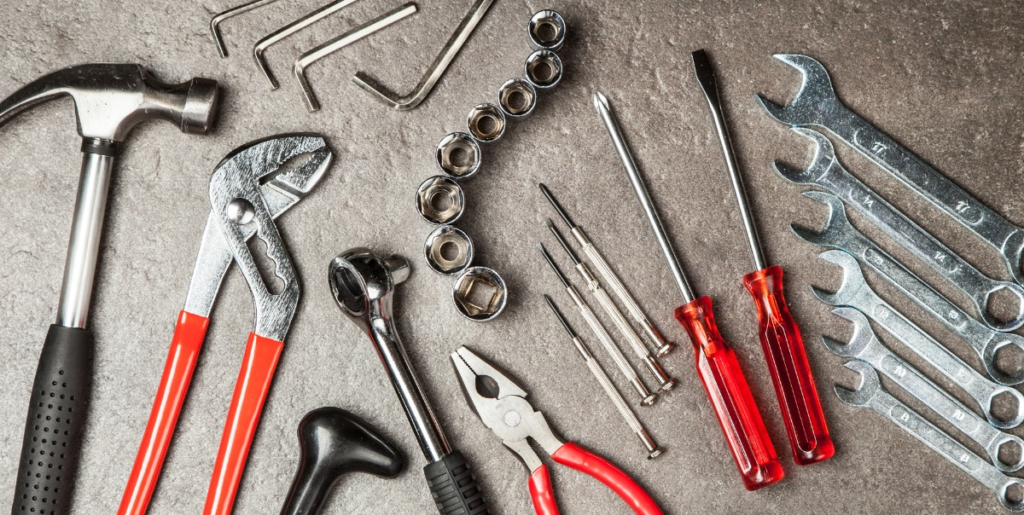
Whether you are a homeowner tackling weekend projects on a Saturday morning, a dedicated DIY enthusiast building a custom woodworking shop, or a professional contractor managing a crew and a tight balance sheet, one thing remains absolutely constant: good tools are an investment. Building up a reliable, high-performance arsenal of equipment isn’t cheap. If you walk into a big-box hardware store unprepared, a single trip to the power tool aisle can easily clear out your bank account.
But here is the good news: building a great tool collection doesn’t have to break the bank.
Between fierce retailer competition, shifting seasonal demand, and manufacturer sales cycles, there is almost always a way to avoid paying full retail price. The secret lies entirely in changing how and when you shop. Far too many people fall into the trap of the “emergency purchase”—waiting until a tool burns out mid-project on a Sunday afternoon, forcing them to rush out and pay top dollar for whatever is sitting on the shelf.
Smart buyers take a different approach. They treat tool shopping like a strategic game. By tracking promotions, planning purchases months in advance, and knowing exactly how to decipher retail pricing psychological tricks, you can acquire top-tier gear for a fraction of the cost.
Here is a comprehensive, practical breakdown of how tool promotions work, what to look for, and how to maximize every single dollar you spend.
Why Quality Tools Matter (And Why It Pays to Wait for Sales)
When you are staring down a wall of tools, it is incredibly tempting to reach for the generic, no-name brand that costs a third of the price of a premium brand. However, quality tools—think household industry names like DeWalt, Milwaukee, Makita, Bosch, and Ridgid—are engineered to last for years, if not decades.
Premium manufacturers invest heavily in superior internal components: all-metal gearboxes instead of plastic ones, heavy-duty brushless motors, advanced electronic overload protection, and high-molded, impact-resistant housings. Because they are engineered for durability and daily abuse, their baseline retail prices reflect that premium engineering.
Capitalizing on promotions isn’t just about saving a few bucks at the cash register; it changes the entire calculus of tool ownership:
- Stretching Your Budget: A solid tool promotion allows you to purchase professional-grade gear for the exact same price you would normally pay for entry-level, homeowner-grade DIY brands.
- The Safety and Efficiency Upgrade: Waiting for a sale allows you to replace aging, sparked, brushed-motor tools with modern, highly efficient brushless models without experiencing a massive financial sting. Brushless tools deliver more torque, run cooler, and extend your battery runtime by up to 50%.
- Boosting Business Margins: For pros and independent tradespeople, every dollar saved on overhead, consumables, and equipment goes directly back into your pocket as pure profit.
The Hidden Trap: The Battery Ecosystem Lock-In
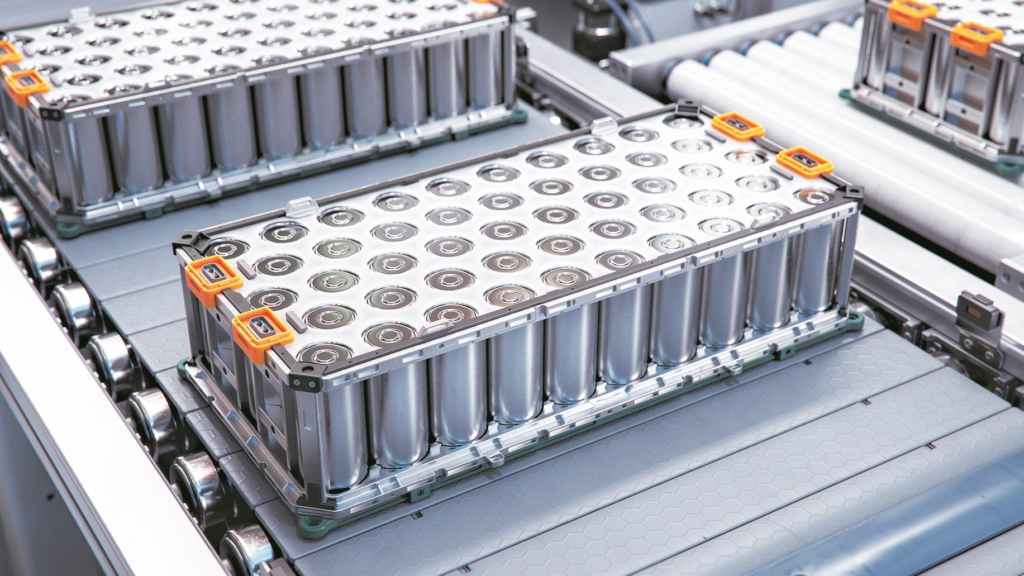
Before diving into the types of promotions you will encounter, you must understand the modern “battery ecosystem trap.”
When you buy a cordless tool today, you aren’t just buying a tool; you are marrying a battery platform. Once you own three or four Milwaukee M18 batteries, or a handful of DeWalt 20V Max packs, the financial cost of switching brands becomes incredibly prohibitive.
Manufacturers know this. They frequently sell starter kits at near-cost or even a slight loss just to get their branded batteries into your workshop. Once you are locked in, they know you will continue to buy their “bare tools” (the tool body without a battery or charger included) for years to come.
The Ecosystem Strategy: Always look at the long-term roadmap of a brand before committing to a bundle deal. Make sure the brand offers the specialty tools you might need down the line (e.g., framing nailers, rotary hammers, or lawn equipment) so you don’t end up needing three different chargers cluttering your workbench.
The 4 Most Common Tool Promotions (And How to Work Them)
Retailers and manufacturers use a specific, predictable playbook to move inventory throughout the year. Understanding how these promotional formats function will help you instantly spot which deals offer genuine value and which ones are just clever marketing.
1. Percentage-Off Sales
This is the most straightforward, no-nonsense discount you will encounter. Retailers drop prices by anywhere from 10% to 30% on specific brands, individual tools, or entire categories (such as “20% off all cordless woodworking tools”).
- How to work it: These sales are ideal for when you already belong to a battery ecosystem and need just one specific bare tool to fill a distinct gap in your kit—like adding an orbital sander or a jigsaw to your collection. They are also excellent for buying high-quality consumables like drill bits, saw blades, and structural screws, which rarely get bundled into kits.
2. The Combo Kit (Bundle Deals)
If you are starting your tool collection from absolute scratch, moving into a new home, or actively switching to a completely different battery platform, combo kits are your absolute best friend. Manufacturers love packing a hammer drill, an impact driver, a circular saw, a work light, two batteries, and a multi-voltage charger into a single heavy-duty canvas bag.
- The Math: Buying these tools individually is almost always a losing financial strategy. A standard 2-tool drill and impact driver combo kit frequently costs significantly less than buying just the impact driver and a standalone battery pack separately. Always break down the “per-item” cost of a bundle to see the true savings.
4
This is a beloved, highly aggressive strategy used by big-box stores like Home Depot, Lowe’s, and Menards, particularly during major holidays. The promotion usually dictates that if you buy a specific multi-battery starter pack (frequently priced around $149 to $199), the retailer will let you select a bare tool worth up to $150 completely free of charge.
- The Pro Insider Trick: Because of how retail point-of-sale systems handle these deals, the discount is usually prorated across both items on your receipt. If you decide you don’t actually want the battery pack, you can often return it and keep the bare tool at its deeply discounted, prorated price.
4. Manufacturer Rebates and Cashback
Sometimes, the deepest savings happen long after you leave the store. High-end, industrial, or specialty automotive brands (like Makita, Bosch, or GearWrench) prefer to run mail-in or online rebates rather than slashing prices on store shelves.
- Why they do it: This allows manufacturers to keep their retail pricing strictly regulated and consistent across all distributors while still offering an incentive to buyers. While it requires a bit of administrative patience—uploading a picture of your receipt and cutting out a UPC barcode—it is often the absolute only way to get a discount on premium, commercial-grade tools that never go on sale at a standard retail register.
Prime Categories for Deep Discounts
While you can find occasional discounts on almost anything, certain product categories see much heavier promotional rotation than others.
| Tool Category | What to Look For | Pro Tip |
|---|---|---|
| Power Tools | Cordless drills, circular saws, high-torque impact wrenches, angle grinders, and reciprocating saws. | Prioritize brushless motors during sales. The price gap between brushed and brushless narrows significantly during promotions. |
| Hand Tools | Socket sets, ratchets, combination wrenches, screwdriver kits, heavy-duty pliers, and hammers. | Look exclusively for brands offering a lifetime replacement warranty (like Husky, Kobalt, or Crescent). A discounted tool with a forever warranty is an unbeatable investment. |
| Tool Storage | Rolling tool chests, heavy-duty job site boxes, and modular stackable pack-out storage systems. | Storage equipment is heavy and incredibly expensive to ship. Stick to in-store pickup deals to avoid hidden freight and delivery surcharges. |
| Outdoor Power Equipment | Battery-powered lawnmowers, string trimmers, leaf blowers, and chainsaws. | Shop for these items in late August and September. Retailers will slash prices aggressively to clear floor space for snowblowers and holiday displays. |
Timing the Market: When Are the Best Sales?
Tool sales are highly seasonal and run on a predictable annual loop. If you can exercise patience and time your major purchases around these specific annual windows, you will save hundreds of dollars.
[Jan - Feb] ---------> [Apr - June] ---------> [Aug - Sept] ---------> [Nov - Dec]
 New Year Reset        Spring Black Friday     Labor Day Clearance     Black Friday / Holidays
(Overstock Deals)      & Father's Day          (Outdoor & Heavy Gear)   (Deepest Bundle Sales)
Black Friday & Cyber Monday (November – December)
This is the undisputed, heavyweight champion of the year for tool shopping. Manufacturers roll out massive, exclusive product runs specifically for the holiday season. You will find deeply discounted tier-one holiday bundles, drastically marked-down hand tool sets, and unprecedented stack-deals where the savings increase the more you buy.
Father’s Day & “Spring Black Friday” (May – June)
Spring kicks off the major construction, home building, and residential renovation season. To capture this massive market, retailers launch “Spring Black Friday” events. This is the absolute best time of the year to purchase outdoor power equipment, pressure washers, extension ladders, and core cordless power tool promotional kits.
Labor Day and End-of-Summer Clearance (September)


Labor Day acts as a massive clearinghouse event for retailers. Big-box stores need to completely flush out their remaining summer inventory to make physical room for massive holiday gift displays. This is an excellent opportunity for picking up larger workshop machinery, air compressors, table saws, and contractor-grade commercial gear.
How to Spot a Genuine Deal (And Avoid the Hype)
Not every bright red “SALE” or “SPECIAL BUY” tag represents an actual bargain. Retailers are notorious for utilizing a tactic called “MSRP padding”—temporarily inflating the supposed “original price” of an item right before a sale to make a completely average, modest discount look like an absolute steal.
Before you swipe your credit card or click the checkout button, take a minute to protect your wallet:
- Cross-Reference Model Numbers Rigidly: Pay incredibly close attention to the exact model numbers. Manufacturers frequently create special, cheaper tool variations specifically for holiday gift displays. A drill might look exactly like the standard commercial model, but a quick check of the SKU might reveal it has plastic chuck components or a lower-spec motor designed explicitly to meet a cheap promotional price point.
- Utilize Price Tracking Tools: Use historical price-tracking websites and browser extensions (like CamelCamelCamel for Amazon or Honey) to see what an item actually sold for over the last six months. You might discover that the “50% off” sale is actually the standard price the tool sells for all year round.
- Audit the Included Components: Always read the fine print regarding what is actually inside the box. A cheap cordless tool kit might look like a spectacular bargain until you realize it includes low-capacity 1.5 Ah batteries that will die after ten minutes of heavy use, rather than the robust 4.0 Ah or 5.0 Ah extended-run batteries you actually need for serious work.
With a little patience, a sharp eye for model details, and a refusal to buy under pressure, you can steadily build an incredibly high-tier workshop that will last you a lifetime—all while keeping your hard-earned money exactly where it belongs: in your pocket.
FAQ’s
1. What is the best time to buy tools?
Major sales events like Black Friday, Cyber Monday, and seasonal clearance sales often offer the biggest discounts.
2. Are tool bundle deals worth it?
Yes, tool bundles usually provide better value than purchasing each tool separately.
3. How can I find genuine tool promotions?
Compare prices across multiple retailers and check reviews before making a purchase.
4. Do tool promotions include warranties?
Most discounted tools still include the manufacturer’s standard warranty, but it’s important to verify before buying.
5. Should I buy tools online or in-store?
Both options can offer great deals; online stores provide convenience, while physical stores allow you to inspect products before purchasing.