

Located in the town of Khatu within the Sikar district of Rajasthan, the Khatu Shyam Ji Temple stands as one of the most revered pilgrimage destinations in northern India. Throughout the year, millions of devotees journey to this sacred site to seek blessings, offer prayers, and immerse themselves in its profound spiritual environment.
While organizing a pilgrimage can sometimes feel overwhelming due to crowd sizes and travel logistics, a well-structured plan ensures a smooth, meaningful, and comfortable experience. Whether you are undertaking your first yatra or returning with family, this detailed guide outlines everything you need to know about planning your visit to Khatu Shyam Ji in 2026.
Cultural and Historical Importance of Khatu Shyam Ji

The origin of the Khatu Shyam Ji Temple is deeply intertwined with the ancient Indian epic, the Mahabharata. Devotees worship the presiding deity, Shyam Baba, as the manifestation of Barbarika, the grandson of Bhima and son of Ghatotkacha.
According to traditional accounts, Barbarika was an exceptionally powerful warrior who possessed three infallible arrows capable of ending any conflict in seconds. Before the Great War at Kurukshetra, he vowed to join the losing side to ensure a fair contest. Knowing that his intervention would cause catastrophic destruction on both sides, Lord Krishna requested Barbarika’s head as a charity (Sheesh Dan). Barbarika willingly sacrificed his head, asking only to witness the entire war. Pleased by his supreme devotion and sacrifice, Lord Krishna granted him a boon: in the Kali Yuga, he would be worshipped by Krishna’s own name, Shyam, and be known as the deity who supports the defeated and helpless (Haare Ka Sahara).
Today, the temple serves as a focal point for immense faith. The experience of standing before the deity and offering prayers is, for many, a transformative spiritual milestone rather than a standard sightseeing excursion.
Key Planning Considerations for Pilgrims
1. Choosing the Ideal Time to Visit
The geographic location of Khatu in Rajasthan means weather conditions play a significant role in determining visitor comfort.
- Winter Season (October to March): This is widely considered the best time to visit. Daily temperatures are mild and pleasant, making it comfortable to walk long distances, wait in outdoor queue complexes, and explore the town.
- Summer Season (April to June): Summers are intensely hot, with temperatures frequently exceeding 40 degrees Celsius. If traveling during these months, plan your darshan for early morning or late evening hours to avoid daytime heat.
- Monsoon Season (July to September): Rain brings relief from heat, but humidity levels rise, and localized waterlogging can slow down road travel.
Special religious periods, particularly the monthly Phalguna Mela (held during February or March) and Ekadashi tithis, draw massive crowds. While the devotional atmosphere during these festivals is electric, waiting times in darshan queues can extend for several hours. If you prefer a quiet, unhurried visit, aim for mid-week days during non-festival winter months.
2. Transportation Options to Khatu
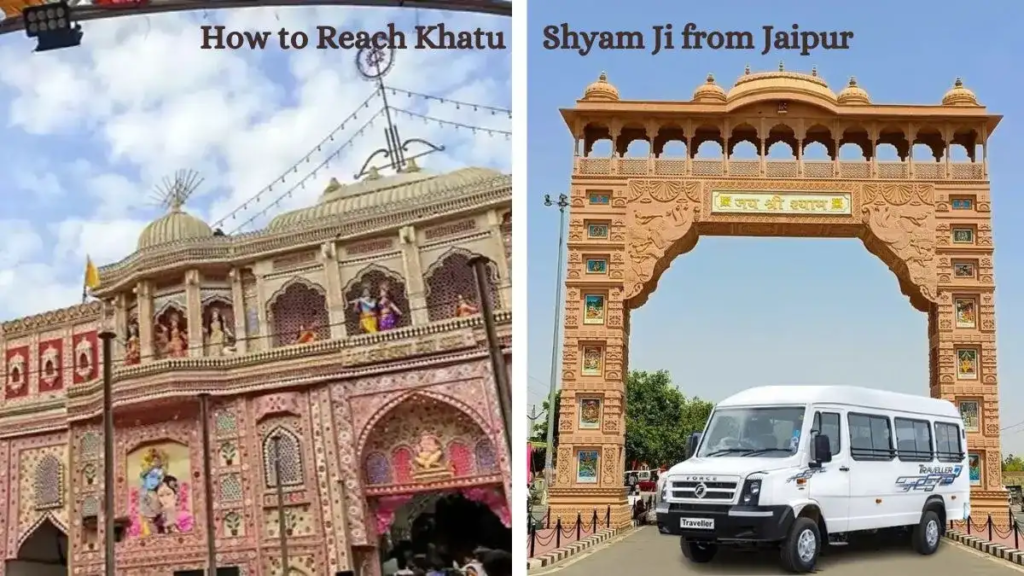
Khatu is well connected by road and rail networks, allowing travelers to choose an option that matches their budget and location.
- By Train: The nearest major railway station is Ringas Junction (RGS), located approximately 17 kilometers from the temple. Ringas is well connected to major cities like Delhi, Jaipur, and Ajmer. From Ringas station, shared auto-rickshaws, private taxis, and local feeder buses run continuously toward the Khatu temple zone.
- By Road: High-quality highways connect Khatu to Jaipur (approx. 80 km), Delhi (approx. 270 km), and other major North Indian hubs. You can travel via state transport buses, private sleeper coaches, or personal vehicles. Driving offers high flexibility, though parking close to the temple complex can be restricted on busy days.
- By Air: The nearest airport is Jaipur International Airport (JAI). From the airport, pilgrims can hire a direct taxi or take a bus from the main Jaipur bus stand to complete the remaining 80-kilometer road journey to Khatu.
Navigating the Darshan and Temple Complex
The temple management system at Khatu Shyam Ji has undergone significant infrastructural upgrades to manage large crowds safely. Multiple zigzag queue lines are designed to move continuously, ensuring that thousands of visitors can complete darshan systematically each hour.
To ensure a hassle-free entry, keep the following operational tips in mind:
- Timing: Early morning darshan (during or right after the morning Aarti) generally sees lighter crowds compared to mid-day hours.
- Temple Schedule: The temple doors open early in the morning and close briefly during the afternoon for Bhog and Shringar, reopening in the evening. Check the daily Aarti schedule upon arrival.
- Footwear Logistics: Footwear is strictly prohibited inside the inner sanctum. Use designated, managed shoe stands located near the entrance of the queue complex rather than leaving shoes unattended along the street.
- Prohibited Items: Sharp objects, large bags, and unauthorized electronic devices may not be allowed in the main queue areas. Travel light to pass through security checkpoints quickly.
Comprehensive Visitor Logistics
| Category | Practical Recommendation | Key Strategic Advantage |
|---|---|---|
| Luggage | Carry a small crossbody bag with essentials only. | Allows smooth movement through security queues without storage delays. |
| Footwear | Slip-on shoes or comfortable sandals. | Easy to remove and collect at designated shoe counters before entry. |
| Clothing | Modest, breathable cottons (summer) or layered woolens (winter). | Respects local temple decorum while keeping you comfortable in varying weather. |
| Hydration | Carry a reusable water bottle where permitted. | Prevents dehydration during extended standing periods in queue lines. |
| Finances | Maintain small cash denominations alongside digital payments. | Useful for local street vendors, small offerings, and local transport where card terminals are unavailable. |
Selecting Suitable Accommodation
Khatu offers a broad range of lodging options tailored to different budgets and group sizes.
- Dharamshalas and Trust Guest Houses: Managed by various community trusts, these facilities provide basic, clean, and highly affordable rooms. They are ideal for pilgrims seeking budget-friendly stays, though early booking is necessary during festival periods.
- Hotels and Guest Houses: Private hotels offer modern amenities such as air conditioning, attached bathrooms, room service, and power backup.
- Proximity Strategy: Staying within walking distance of the temple entrance eliminates the need for local transport early in the morning. However, if you are traveling by private car during peak days, booking a hotel slightly further out near the entry bypass roads can make parking and departure much easier.
Dietary Practices and Local Cuisine

As a major holy town, all food served in and around Khatu is strictly vegetarian, with many eateries avoiding onions and garlic entirely.
Pilgrims can enjoy traditional Rajasthani meals, including Dal Baati Churma, Kadhi Kachori, and fresh sweets like Ghevar and Peda (often purchased as Prasad).
- Hygiene Standard: Stick to busy eateries with high turnover to ensure food freshness.
- Drinking Water: Always opt for sealed bottled water or verified filtered water stations to avoid stomach upsets during your trip.
- Pre-Darshan Meals: Eat light meals before entering long queues to avoid discomfort while standing for extended periods.
Family, Accessibility, and Peak Day Guidelines
Traveling with children or elderly family members requires extra precautions to ensure everyone remains safe and comfortable throughout the journey.
- Elderly Assistance: Wheelchair facilities and dedicated assistance lanes are available for seniors and differently-abled individuals. Inquire at the temple administration office near the entrance for current accessibility options.
- Child Safety: Place a small identity card inside your child’s pocket containing their name, your name, contact phone number, and hotel address. Large crowds can cause brief separations, and having contact information readily available speeds up reuniting.
- Designated Meeting Points: Upon entering the temple precinct, establish a clear, easily recognizable physical landmark (such as a specific gate or office) as a meeting point in case group members get separated.
- Patience and Flexibility: On peak days, transportation delays, extended waiting lines, and traffic diversions are common. Approach the pilgrimage with patience and build buffer time into your return travel schedule.
A Sample Two-Day Itinerary
To help structure your trip effectively, consider this simple two-day framework:
Day 1: Arrival and Orientation
- Morning/Afternoon: Arrive at Ringas Junction or Jaipur Airport, transfer to Khatu by road, and check into your accommodation.
- Late Afternoon: Rest and freshen up. Take a preliminary walk through the local market area to locate the temple entrance gates and understand current queue patterns.
- Evening: Visit the Shyam Kund (the holy pond where the deity’s head was recovered) and attend the evening Aarti if queue conditions permit. Enjoy a traditional Rajasthani dinner and rest early.
Day 2: Main Darshan and Departure
- Early Morning: Join the morning queue line early for primary Darshan.
- Mid-Morning: Post-darshan, collect Prasad from authorized stalls, spend quiet time in the temple premises, and visit nearby secondary shrines like the Janki Hanuman Temple.
- Afternoon: Return to your hotel, pack your belongings, check out, and begin your journey back home via Ringas or Jaipur.
Final Considerations for a Meaningful Pilgrimage

A successful journey to Khatu Shyam Ji combines practical foresight with a respectful mindset. By selecting the right travel window, securing accommodations early, following temple regulations, and maintaining patience in crowded areas, you can focus entirely on the spiritual purpose of your visit. Respecting local customs, maintaining cleanliness in public spaces, and treating fellow pilgrims with courtesy ensures that the sacred atmosphere remains peaceful and welcoming for everyone.
FAQs
1. Where is Khatu Shyam Ji Temple located?
Khatu Shyam Ji Temple is located in Khatu town in Sikar district, Rajasthan.
2. What is the best time to visit Khatu Shyam Ji?
October to March is generally comfortable because the weather is cooler.
3. How can I reach Khatu Shyam Ji Temple?
You can reach Khatu by train, bus, car, or by flying to a nearby airport and traveling by road.
4. Should I book accommodation in advance?
Yes, advance booking is recommended during festivals, weekends, and busy pilgrimage periods.
5. What should I carry for darshan?
Carry essential items, comfortable clothing, water where permitted, identification, and a small bag.

Travel Deals 2026: Best Flight, Hotel & Holiday Offers
Planning a holiday does not always mean spending a large amount of money. With the…

Best Travel Deals 2026: Save on Flights, Hotels & Holidays
Finding genuine value when planning a trip is less about hunting down fleeting internet sales…

Travel Deals Guide 2026: Affordable Trips, Flights & Hotels
Traveling does not always have to be expensive. With a little planning and some smart…

Best Travel Deals 2026: Affordable Flights, Hotels & Vacations
Traveling remains one of the most fulfilling ways to disconnect from daily routines, explore new…
Maa Vaishno Devi Yatra 2026: Best Travel Deals & Complete Guide
A visit to Maa Vaishno Devi is a special journey for millions of devotees. Located…

Best Kitchen & Dining Products 2026: Affordable Deals & Tips
The kitchen functions as the operational core of any home. It is the space where…