
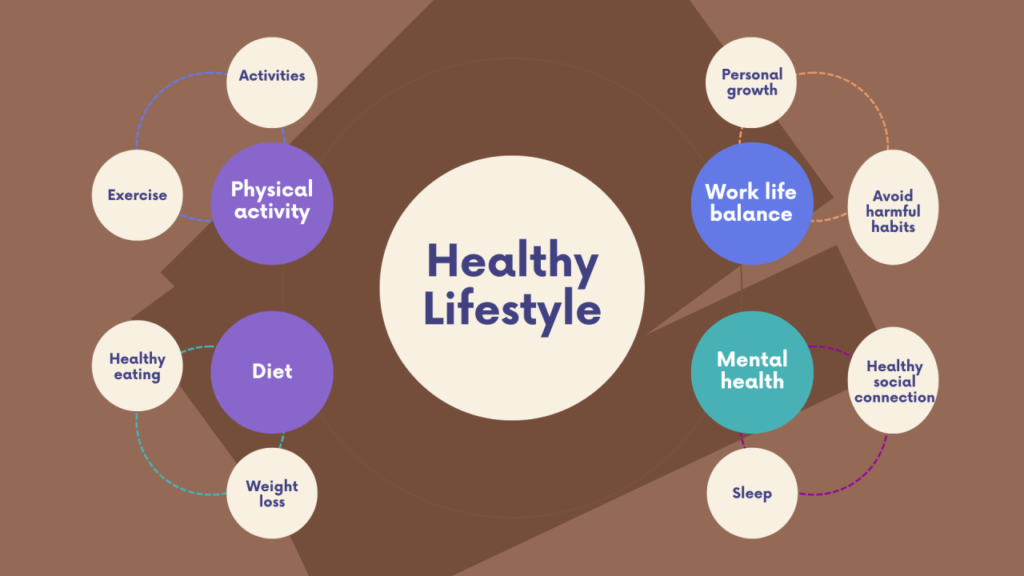
Living a healthy lifestyle is not about making extreme changes or trying to follow a perfect routine. It is about building simple, sustainable habits that support your physical health, mental well-being, energy, and personal growth over time.
Small daily choices can have a meaningful impact. Eating balanced meals, staying active, getting enough rest, managing stress, and making time for yourself can all contribute to a healthier and more enjoyable life.
The most effective lifestyle changes are the ones you can realistically maintain. Instead of trying to change everything at once, focus on creating positive habits gradually.
Build a Balanced Daily Routine
A healthy lifestyle begins with a routine that supports your everyday needs. A balanced day may include nutritious meals, physical activity, productive work, relaxation, and sufficient sleep.
Having a basic routine can help reduce stress and make it easier to stay consistent. Your schedule does not need to be rigid. It should provide structure while still allowing flexibility.
Start by identifying the habits that matter most to you. You might focus on drinking more water, going for daily walks, preparing healthier meals, or creating a better bedtime routine.
Small improvements can become long-term habits when repeated consistently.
Eat a Variety of Nutritious Foods

Nutrition plays an important role in overall wellness. A balanced eating pattern can include fruits, vegetables, whole grains, protein-rich foods, healthy fats, and plenty of fluids.
Different foods provide different nutrients, so variety is important. Eating a wide range of foods can help support your body’s nutritional needs.
Healthy eating does not mean you must avoid every food you enjoy. A balanced approach allows room for occasional treats while focusing mainly on nourishing choices.
Planning meals in advance can also make healthy eating easier. Preparing simple meals at home may help you make more informed choices and reduce reliance on convenient processed foods.
Stay Physically Active
Regular physical activity is an important part of a healthy lifestyle. Exercise can support strength, endurance, flexibility, mobility, and overall fitness.
You do not need to spend hours in a gym to stay active. Walking, cycling, swimming, dancing, stretching, sports, and home workouts can all be useful forms of movement.
Choose activities that you enjoy. When exercise feels enjoyable rather than like a chore, it may be easier to maintain regularly.
If you are new to exercise, start gradually and increase activity at a comfortable pace.
Make Sleep a Priority

Sleep is essential for physical and mental well-being. A consistent sleep routine can help support energy, focus, mood, and daily performance.
Try to create habits that support better sleep. Going to bed and waking up at similar times can help establish a routine.
Creating a relaxing evening environment may also be helpful. Reducing screen time before bed, keeping your sleeping space comfortable, and avoiding excessive stimulation late at night can support a more restful routine.
The amount of sleep people need can vary, but consistently feeling tired may be a sign that your sleep habits need attention.
Manage Everyday Stress
Stress is a normal part of life, but ongoing stress can affect your overall well-being. Learning how to manage daily pressure is an important part of a healthy lifestyle.
Simple strategies may include walking, deep breathing, journaling, listening to music, spending time with friends, or taking breaks from work and technology.
It is also important to recognise your limits. Trying to do too much without rest can increase feelings of exhaustion.
Creating realistic expectations and learning to prioritise tasks can help make daily life more manageable.
Take Care of Your Mental Well-Being
Mental wellness is an important part of overall health. Taking care of your mind can involve making time for relaxation, maintaining supportive relationships, and recognising when you need a break.
Positive habits such as gratitude, mindfulness, creative activities, and time outdoors can help support emotional well-being.
You do not need to feel positive all the time. Difficult emotions are a normal part of life. If emotional difficulties become persistent or interfere with daily life, seeking support from a qualified professional may be helpful.
Stay Hydrated
Drinking enough fluids is a simple habit that supports everyday wellness. Water is an important part of many bodily functions.
Your hydration needs can vary depending on factors such as activity level, weather, diet, and individual circumstances.
Keeping water nearby can make it easier to drink regularly throughout the day. Choosing water instead of sugary drinks can also be a simple way to support healthier habits.
Create Healthy Relationships
Social connections can have a positive influence on overall well-being. Supportive relationships can provide encouragement, companionship, and a sense of belonging.
Make time for people who support and respect you. Meaningful conversations and shared experiences can contribute to a more balanced lifestyle.
Healthy relationships also involve boundaries. Learning to communicate your needs and protect your time can help support emotional wellness.
Focus on Personal Growth
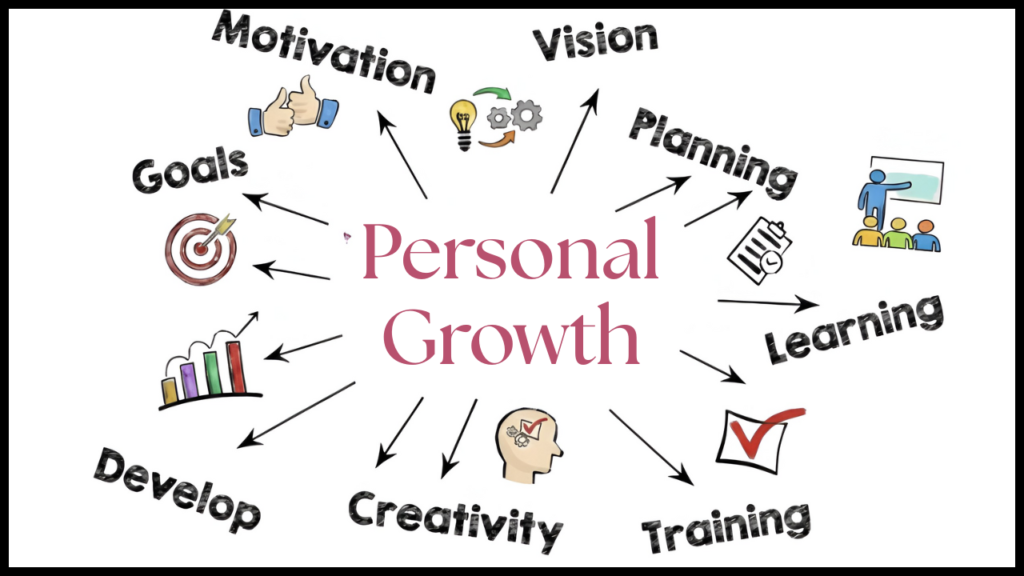
Personal growth is a lifelong process. It can involve learning new skills, improving confidence, developing better habits, or working towards meaningful goals.
Set goals that are realistic and specific. Instead of saying you want to “improve your life”, identify a clear action you can take.For example, you might decide to read regularly, learn a new skill, exercise consistently, or spend more time developing a personal interest.
Progress does not always happen quickly. Small steps can lead to meaningful changes over time.
Reduce Unhealthy Habits Gradually
Changing unhealthy habits can be difficult, especially when they have become part of your daily routine.
Rather than trying to change everything immediately, focus on one habit at a time. Small adjustments may be easier to maintain.
For example, you could reduce unnecessary screen time, add more movement to your day, or replace certain less nutritious foods with healthier alternatives.
The goal is progress, not perfection.
Spend More Time Outdoors
Spending time outdoors can be a simple way to add movement and relaxation to your day. Walking in a park, spending time in nature, or simply getting fresh air can help create a break from indoor routines.
Outdoor activities can also provide opportunities for exercise and social connection.
Even a short walk can be a useful way to clear your mind and add more movement to your day.
Limit Excessive Screen Time


Technology is an important part of modern life, but excessive screen time can sometimes affect sleep, focus, and daily routines.
Consider taking regular breaks from screens. You can use this time to walk, read, exercise, talk with friends, or enjoy a hobby.
Creating screen-free periods during the day may help you become more aware of how you spend your time.
Make Time for Hobbies
Hobbies can support creativity, relaxation, and personal satisfaction. Reading, cooking, photography, gardening, music, art, sports, and other activities can all add enjoyment to everyday life.
Hobbies do not need to be productive or connected to work. Sometimes doing something simply because you enjoy it is an important part of wellness.
Making regular time for personal interests can help create a better balance between responsibilities and relaxation.
Practise Consistency Over Perfection
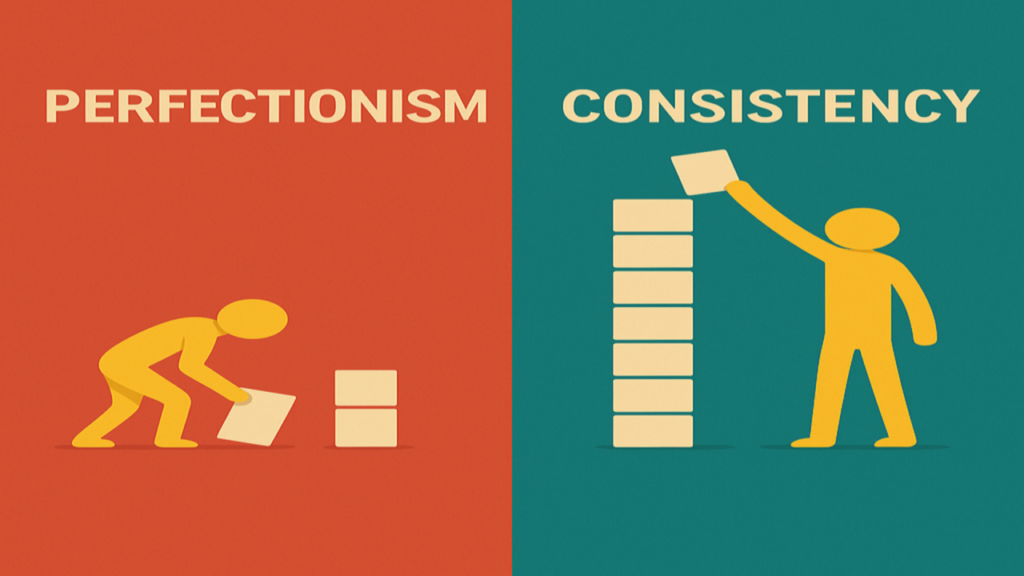
One of the most important healthy lifestyle principles is consistency. You do not need to follow your routine perfectly every day.
There will be busy days, missed workouts, unhealthy meals, and times when you need extra rest. These moments do not erase your progress.
Instead of giving up after a setback, return to your healthy habits when you are ready.
Long-term wellness is built through repeated choices over time.
Create a Lifestyle That Fits You
There is no single lifestyle routine that works for everyone. Your health goals, schedule, preferences, responsibilities, and interests are unique.
A healthy lifestyle should fit your real life. If a routine is too complicated or restrictive, it may be difficult to maintain.
Focus on habits that make you feel better, support your goals, and can realistically become part of your everyday life
FAQ’s
1. What is a healthy lifestyle?
A healthy lifestyle includes balanced nutrition, regular physical activity, good sleep, stress management, and positive daily habits.
2. How can I start living healthier?
Begin with small changes, such as eating more nutritious foods, staying active, drinking enough water, and improving your sleep routine.
3. Why is personal growth important?
Personal growth can help you develop new skills, build confidence, achieve goals, and improve your overall quality of life.
4. How can I manage everyday stress?
Try regular exercise, relaxation, hobbies, time outdoors, mindfulness, and maintaining supportive relationships.
5. Do I need to change my entire lifestyle at once?
No. Making small, consistent changes is often a more realistic and sustainable approach.