

Let’s be honest for a second: online shopping isn’t just a weekend convenience anymore. It’s a core part of how we live our lives. Whether you’re ordering groceries, upgrading your home workspace, or picking out a gift for a friend, that digital checkout screen is a regular destination.
But let’s add a layer of reality to that. With the cost of just about everything creeping upward, mastering the art of finding a great deal isn’t just a fun little win anymore. It’s a vital skill for protecting your hard-earned income.
The great news is that the retail game has evolved. We aren’t stuck clipping paper coupons or manually opening forty different browser tabs to compare prices. Right now, we have access to incredible high-tech tools, effortless cashback ecosystems, and automated discount finders that do the heavy lifting for us. Saving money today shouldn’t feel like a chore or a form of deprivation. It’s about being strategic. Think of this as your no-nonsense, deeply practical guide to getting the absolute maximum value out of every single dollar you spend.
Timing is Everything: Cracking the Retail Calendar

The absolute easiest way to keep more money in your bank account is simply learning to master the clock. Retailers operate on a highly predictable, cyclical schedule driven by inventory needs and seasonal changes. If you can train yourself to separate your wants from your immediate needs, waiting for the right promotional window can save you hundreds of dollars on a single purchase.
The Major Milestone Sales to Track
- The Winter Bookends: Black Friday and Cyber Monday remain the heavyweight champions for electronics and home appliances, but do not sleep on New Year Clearances. January is prime time for fitness gear, bedding (the famous “White Sales”), and winter apparel that stores are desperate to clear out for spring stock.
- The Seasonal Swaps: Retailers live a season ahead. That means the absolute best time to buy a swimsuit or summer patio furniture is late August, while the best time to buy heavy winter coats is February. Look for the word “Clearance” rather than “Sale”—clearance means the store must get rid of it to free up physical space.
- The Mid-Year Push: The summer months used to be a dead zone for retail, but major digital events have flipped the script. Mid-year sales, back-to-school promotions, and late-summer clearance events are fantastic times to look for laptops, school supplies, and wardrobe refreshes.
⚠️ The “Fake Discount” Warning: Here is a reality check. Just because a product has a big red “30% OFF!” badge next to it doesn’t mean you’re saving money. Many retailers quietly inflate their “original” prices a few weeks before a major sale event so the discount looks massive. If you have a big-ticket item on your wishlist—like a new TV, a laptop, or a couch—start looking at its baseline price a month in advance. Knowing its true retail price is your superpower against marketing tricks.
The Tech-Savvy Shopper’s Digital Toolkit
If you are paying the first price you see on an e-commerce site, you are essentially giving away your money. Before you hit that final “Place Order” button, take two minutes to run through a digital checklist.
Let Automated Tools Do the Grunt Work

You don’t have the time to manually track twenty different websites, but browser extensions and mobile apps do. Install dedicated price trackers and comparison tools.
Price History Graphs: Tools like camelcamelcamel (for Amazon) or Honey show you a chart of what an item has cost over the last year. If a tool shows you that a $200 jacket routinely drops to $120 every other month, you know exactly what to do: wait.
Price Drop Alerts: Set a threshold. Tell the app, “Let me know when these headphones drop under $150,” and walk away. Let the deal come to you.
Unearth the Hidden Promo Codes
Never leave a coupon code box blank without trying to fill it. Before you check out, do a quick, targeted sweep for these specific types of discounts:
- The Newsletter Welcome: Almost every brand offers a fast 10% to 15% off code if you sign up for their email newsletter. Create a secondary email address specifically for shopping so your main inbox doesn’t get cluttered, grab the code, and apply it instantly.
- Identity-Based Discounts: Are you a student? A teacher? A healthcare worker, first responder, or member of the military? Dozens of major brands use verification platforms like ID.me or SheerID to give exclusive, permanent discounts ranging from 10% to 20% off. Keep those accounts updated.
- Abandon Your Cart: If you are logged into a store account, add the items you want to your cart and close the tab. Frequently, the brand’s automated marketing system will trigger an email 24 to 48 hours later with a custom discount code to entice you to come back and finish the purchase.
Stack Your Savings: The Trifecta Move
The real magic happens when you learn to “stack” discounts. The rookie move is just using a single coupon. The pro move looks like this:
- Activate a cashback extension or app before clicking into the store to lock in a percentage back on your total purchase.
- Apply a working promo code at checkout to lower the immediate out-of-pocket price.
- Pay using a rewards credit card that gives you extra points or cash back for that specific shopping category.
By combining these three layers, you are quietly compounding your savings on items you were already going to buy anyway.
Mindful Shopping Habits That Protect Your Wallet
While digital tools are incredible, the ultimate money-saving tool is your own mindset. Shifting how you view value will save you more money over a lifetime than any coupon code ever could.
🔹 Lean Into Quality Over Quantity

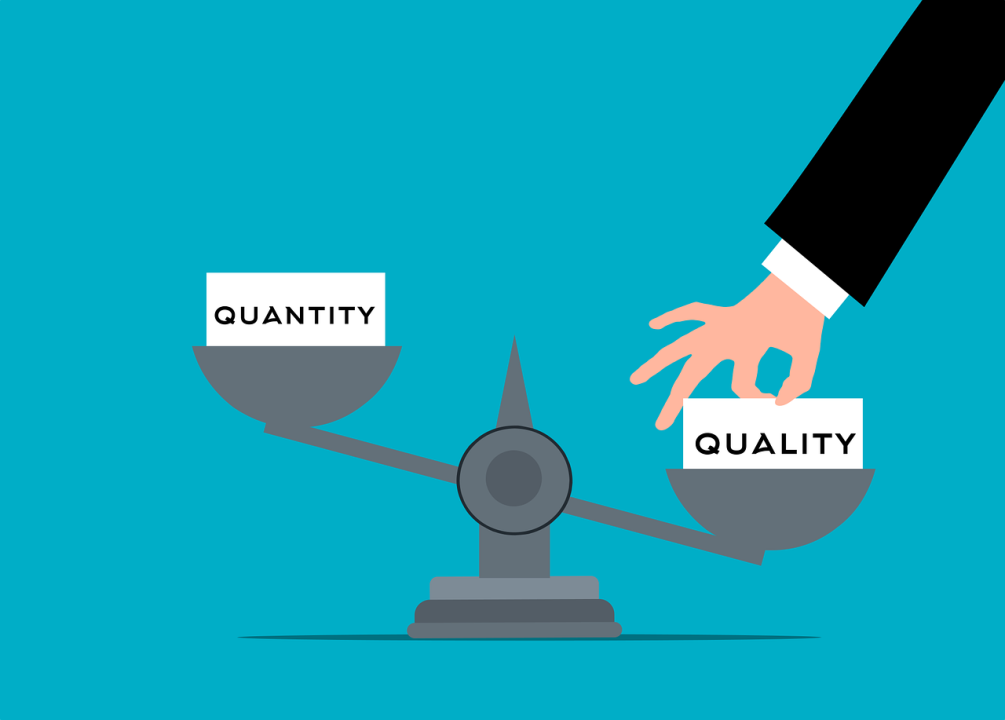
It is incredibly easy to get a hit of dopamine from buying a cheap piece of clothing or a budget kitchen gadget. But let’s look at the math of “Cost Per Use.” If you buy a $20 pair of boots that splits at the seams after three months of walking, you haven’t saved money—you’ve just rented a headache. If you buy a beautifully constructed $100 pair of boots that lasts you five years, the more expensive option is actually the vastly cheaper one in the long run. Focus on buying things built to endure.
🔹 Demystify “Certified Refurbished” Tech
We’ve been conditioned to think we always need things brand new in a sealed box. But tech hardware hits a plateau quickly, and buying certified refurbished is one of the smartest financial moves you can make.
When a reputable manufacturer (like Apple, Samsung, or Dell) sells something as “Certified Refurbished,” it means the item has been sent back to the factory, rigorously tested, repaired with genuine parts, cleaned, and repackaged. Most importantly, it comes with a full manufacturer’s warranty identical to a brand-new item, but routinely costs 20% to 40% less.
🔹 Don’t Get Blindsided by the Shipping Trap
A classic retail trick is showing you an incredibly low price on the search page, only to slap a massive shipping fee on the final checkout screen. Always evaluate the total delivered cost. If Site A sells a book for $15 with $8 shipping, and Site B sells it for $20 with free shipping, Site B wins. Always look for minimum spend thresholds, or see if a store offers a free “ship to store” option if a physical location is near you.
🔹 Read the Reviews Like a Detective
A massive 70% discount is completely meaningless if the product is functionally useless. When reading customer feedback, skip the perfect 5-star reviews (which can sometimes be manipulated) and go straight to the 3-star and 4-star reviews. This is usually where you find honest, balanced critiques. Look specifically for reviews that include real, unedited photos. Seeing how a piece of clothing drapes on a normal human body, or how the materials of a coffee table actually look under standard home lighting, will save you from the hassle of costly return shipping.
Common Pitfalls and How to Beat team

Retailers spend millions of dollars studying consumer psychology to figure out exactly how to make us part with our cash. Recognizing their tactics is the first step to beating them at their own game.
- The Artificial Scarcity Panic: Have you ever seen a bright red banner saying “Only 2 items left at this price!” or a literal countdown timer ticking away the seconds? Ninety percent of the time, this is artificial urgency designed to bypass your logical brain and trigger a panic purchase. Take a deep breath, close the tab, and think about it for an hour. If you still want it, it will almost certainly still be there.
- The Return Policy Blindspot: Always check the return window before buying, especially on clearance items. If an item is “Final Sale” or charges a hefty “restocking fee,” you are taking a massive gamble. If it doesn’t fit or doesn’t work out, that purchase becomes a 100% loss to your budget.
- The “Spend More to Save More” Illusion: Be wary of promos like “Spend $100, get $20 off!” If you came to the site planning to spend $40 on a single item you actually needed, buying an extra $60 worth of random stuff just to unlock a $20 discount means you didn’t save $20—you spent an extra $40 you hadn’t planned for.
Navigating the Modern Retail Landscape

The way we shop continues to shift underneath our feet. Algorithms are becoming hyper-personalized; stores aren’t just showing generic sales anymore—they are tailoring specific discounts directly to your individual browsing data.
We are also seeing an explosion of digital wallets and “Buy Now, Pay Later” (BNPL) financial services built directly into checkout flows. While these installment plans can be incredibly useful for spreading out the cost of an emergency purchase (like a broken refrigerator), treat them with extreme caution. It is dangerously easy to stack up five or six small bi-weekly payments across different stores until your monthly fixed expenses become completely unmanageable. If you use them, treat them like real debt, because they are.
The Bottom Line
At the end of the day, being a genuinely smart shopper isn’t about denying yourself the things that bring you joy, convenience, or comfort. It isn’t about living a life of strict deprivation or spending hours stressing over pennies.
True smart shopping is simply about being intentional. It’s about refusing to let slick marketing departments dictate how and when you spend your money. By pairing a little bit of structural patience with a few smart digital tools, you can easily keep your everyday living expenses down while keeping your quality of life exactly where it belongs.
FAQ’s
1. What are the best ways to save money while shopping online in 2026?
Compare prices, use coupon codes, shop during major sales, and take advantage of cashback and loyalty programs.
2. Are cashback and rewards programs worth using?
Yes. Cashback and rewards programs help you earn money or points on eligible purchases, increasing your overall savings.
3. When is the best time to find the biggest shopping deals?
Major sales events like Black Friday, Cyber Monday, seasonal sales, and holiday promotions usually offer the best discounts.
4. How can I avoid overspending while shopping?
Create a budget, make a shopping list, compare prices, and avoid impulse purchases by buying only what you need.
5. Why should I compare prices before making a purchase?
Price comparison helps you find the best value, identify better deals, and avoid paying more for the same product.